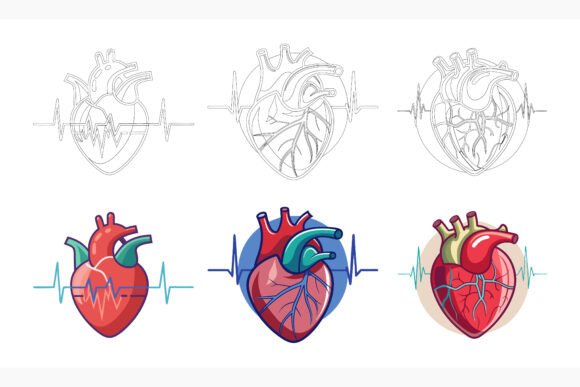
Making Heart Health Visual: How Smart Illustrations Change the Conversation
Heart health isn't just a medical phrase you hear at a checkup. It shows up in the choices you make every morning, the stress you carry into meetings, the recipes you bookmark but never cook, and the wearable device buzzing on your wrist. What many people don't realize is how much heart health communication relies on visuals—and how the right imagery can actually shift someone's understanding or motivation in seconds.
Whether you're a wellness coach, a clinic manager, a nonprofit organizer, or an app developer, you've probably faced the same quiet challenge: finding illustrations that feel accurate without feeling clinical, approachable without being cartoonish, and flexible enough to work across your entire project. That's where thoughtfully designed digital illustration sets come in—and why we created a collection specifically tailored to the nuances of cardiovascular wellness.
When Words Fall Short: Why Visuals Matter for Cardiovascular Topics
Most people don't read dense paragraphs about systolic pressure or arterial function. They glance, scroll, and absorb information through imagery before they read a single word. A well-placed illustration of a heart with subtle, modern styling can communicate vitality, risk, prevention, or recovery faster than a wall of text ever could. This is especially true for audiences managing chronic stress, early hypertension concerns, or family histories they're only beginning to understand.
Our AI EPS illustration set came from observing how many professionals keep using the same generic medical icons—crosses, stethoscopes, anatomical hearts that look like textbook diagrams from 1998. You needed something different. Something with warmth, precision, and genuine design consistency.
Where These Illustrations Actually Get Used
Let's move past the listing page and talk about real projects. Over the past year, we watched how different people applied these heart health visuals in ways we didn't even anticipate when designing them.
Wellness Apps and Digital Health Platforms
Mobile app creators working on cardiovascular tracking tools, meditation guides for stress reduction, or fitness coaching platforms all face a similar UI bottleneck. Stock libraries offer plenty of options, but nothing that keeps a unified visual language across multiple screens. With three variations included in the file—each maintaining proportion, line weight, and aesthetic harmony—developers can assign different styles to onboarding flows, achievement badges, and daily check-in screens without jarring visual shifts. You're not forcing mismatched assets together. You have a consistent family of illustrations ready to go.
Printed Materials in Clinics and Community Centers
A nutritionist in a mid-sized practice recently told us she redesigned her entire patient handout library using editable vector files. Her reasoning was practical: printed materials fade, get updated, or need translating into different languages. The AI EPS format gave her the ability to pull illustrations into her existing layouts, adjust colors to match the clinic's branding, and scale them for anything from a small appointment card to a large waiting-room poster without losing crispness. When you're talking about heart health, clarity isn't optional—it's essential.
Infographics and Social Media Campaigns
Nonprofit organizations running awareness campaigns during Heart Month know how crowded February gets. Standing out means visual storytelling that feels authentic rather than alarmist. The neatly organized layers and file structure in these illustrations let social media managers isolate elements, recolor them for different platform themes, and even animate specific parts for short video content. One organization used the same set across Instagram carousels, LinkedIn infographics, and a printed mailer—keeping their message cohesive while adjusting the format each time.
Educational Tools for Schools and Workshops
Teachers presenting wellness modules and corporate wellness facilitators running lunch-and-learn sessions have different audiences but similar constraints. They need visuals that respect the intelligence of their viewers while remaining engaging. The perfection in details and consistency ensures that diagrams make sense at a glance, whether projected on a screen or printed in a workbook. If you're explaining how daily habits connect to long-term outcomes, the illustrations keep people focused rather than distracted by inconsistent styles.
What Makes an Illustration Set Actually Useful Long-Term
Anyone who has downloaded free vector packs knows the pattern: the preview looks gorgeous, but the files are chaotic, unlabeled, or locked in ways that make editing them a chore. We prioritized three practical qualities that matter more than the initial aesthetic impression.
Layer organization saves you time you didn't know you were losing. When you need to change one element inside a complex composition—say, replacing a food icon in a heart-healthy eating guide—you shouldn't have to hunt through unnamed paths. The structured files let you navigate efficiently, especially on tight deadlines.
Cross-platform compatibility does the heavy lifting. Designed for both Mac and Windows users, the files don't force anyone into a specific workflow. The included JPG versions give you instant previews and quick web use, while the vector formats remain ready for serious editing in whatever software your team prefers.
Color flexibility means the illustrations grow with your brand. Visual identity shifts over time. What matches your palette today might need adjusting in six months. Because you can edit, change colors, and modify icons easily, the set remains an asset rather than becoming a one-time purchase that quietly stops fitting your look.
Subtle Considerations Before You Start Designing
No illustration set solves every communication problem, and honest transparency about that sets better expectations. If your project requires hyper-realistic anatomical renderings for surgical training, a stylized vector approach won't serve that need. These illustrations work best for lifestyle-oriented, preventive, educational, and inspirational contexts—which covers the vast majority of heart health messaging most organizations actually produce.
Also worth noting: the three variations give you range without overwhelming you with choices. One variation might lean more symbolic and minimal, suitable for app icons and small interface elements. Another might offer slightly more detail for feature panels and hero images. The third could work beautifully as a middle-ground option for infographics and printed collateral. Having those distinctions built-in means you're not starting from scratch each time a new need surfaces.
Who Benefits Most From This Approach
Through conversations with customers, a few patterns emerged around who extracts the most value from flexible, well-structured illustration sets focused on cardiovascular themes.
- Independent health coaches building personal brands often lack design budgets but need professional-looking materials for lead magnets, workshop slides, and social content.
- Small to mid-sized medical practices want patient education that feels current and trustworthy without licensing expensive imagery month after month.
- App startups in the wellness space iterate rapidly and need adaptable assets that don't require renegotiating usage rights with every pivot.
- Content creators focused on prevention and lifestyle medicine value visuals that communicate warmth alongside scientific credibility.
- Corporate wellness departments design internal campaigns where clear, appealing graphics improve participation rates in screening programs and healthy habit challenges.
The Difference Consistency Makes Over Time
One thing we hear repeatedly is that scattered visual assets create a subtle trust problem. When your audience sees five different illustration styles across your website, app, and print materials, something registers as off—even if they can't articulate it. Consistency in shape language, stroke weight, and color harmony tells people that you put care into your work. For a topic as personal and important as heart health, that perception of care directly supports your credibility.
The file includes JPEG formats for immediate use and AI EPS formats for deeper customization, meaning the bridge between quick deployment and serious refinement remains open. You can drop a JPEG into a blog post today and later refine the vector version for branded merchandise or event signage without re-purchasing anything.
Practical Observations From Real Usage
We've watched designers use these illustrations in unexpected ways that taught us something about how heart health content resonates. A community garden project promoting exercise and nutrition used the figures on seed packet labels. A therapist integrated them into guided journal prompts about body awareness. A cycling club featured them on member milestone certificates celebrating heart rate improvements over their season.
Each of these applications required different scales, color treatments, and contextual placements—exactly the kind of flexibility that rigid, pre-colored PNGs can't accommodate. The ability to modify according to your needs transforms a static purchase into a reusable creative resource.
Heart health messaging surrounds people daily, often without them consciously noticing. The posters in pharmacy windows, the badges in fitness apps, the diagrams at blood donation drives—these images shape how people feel about their own bodies and the steps they're willing to take. Having control over that visual language matters more than most people assume.