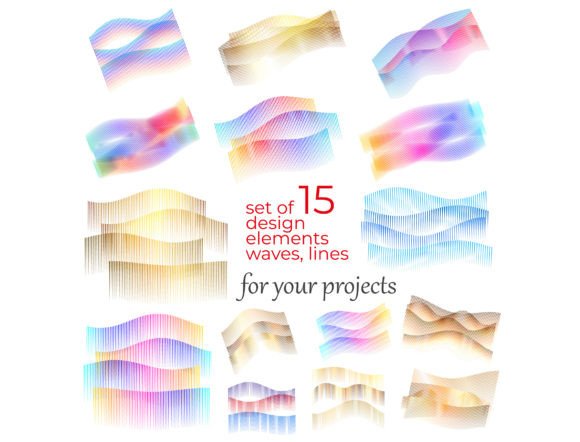
Wavy Lines & Wave Design: Fluid Assets for Every Project
Wavy lines and wave design elements occupy a unique space in visual language. They feel organic where straight geometry feels rigid, and they introduce rhythm without the formality of repeating patterns. A well-crafted wave line can guide the eye, soften a layout, or add a subtle undercurrent of motion to an otherwise static composition. Whether you're building a brand identity, refreshing packaging, or designing social media graphics, these assets bring a sense of flow that few other design elements can match.
When I first started using wave vector packs in client projects, I was surprised by how dramatically they shifted the mood. A simple undulating line beneath a headline suddenly made the message feel approachable. A layered wave background in muted tones turned a corporate presentation into something that felt warm and human. It’s not about chasing trends—it’s about understanding that our eyes crave gentle movement. Wavy lines deliver that without screaming for attention.
The Personality Behind the Curves
Wave designs carry a distinct personality. Depending on their amplitude, thickness, and layering, they can evoke anything from calm, meditative water to energetic sound frequencies. A single smooth sine wave set in a pale pastel suggests wellness and mindfulness, making it a natural fit for spa branding, yoga studio materials, or editorial spreads about self-care. A tighter, more jagged wave with sharp peaks feels electric—perfect for tech startup announcements, podcast cover art, or event posters that need an edge.
This versatility is what makes wavy line elements so valuable as design assets. They aren’t locked into one aesthetic. By adjusting stroke weight and spacing, you can shift from a delicate, almost hand-drawn feel to a bold, modern typography companion. I’ve seen designers pair thin, overlapping wave lines with a classic serif font to create a sophisticated brand identity that feels both timeless and current. Conversely, combining chunky wave patterns with a strong sans serif font builds a contemporary, no-nonsense look ideal for direct-to-consumer brands.
Where Wave Assets Truly Excel
The real strength of wave design elements lies in their cross-medium flexibility. Unlike highly specialized graphics, wavy lines integrate seamlessly into both digital and print environments, and they play well with a broad range of creative tools.
Branding and Logo Design
A logo is the most concentrated expression of a brand. Adding a subtle wave element—whether integrated into the wordmark or used as a standalone icon—can instantly signal fluidity, adaptability, or forward motion. I’ve worked on brand identity projects where a simple wave motif replaced a static underline, and the whole logotype suddenly felt alive. When you’re evaluating a wave asset pack for logo design, look for crisp EPS files that scale without losing integrity. A premium font paired with a well-drawn wave line can tell a complete visual story in just a few square inches.
Packaging and Print Collateral
On a physical box, bottle, or hang tag, wavy lines break up the visual plane without competing with product photography. For a recent skincare line, we layered translucent wave patterns behind the product name set in a clean display font. The result was a tactile, luxurious feel that hinted at natural ingredients without resorting to obvious leaf motifs. Wave designs also work beautifully in editorial design—think magazine section dividers, cookbook chapter openers, or brochure backgrounds where you need a touch of artistry that doesn’t distract from body copy.
Digital and Web Environments
In web design, wave backgrounds have become a go-to technique for hero sections and section transitions. When used thoughtfully, they create a sense of depth and progression. A wave line separating two content blocks doesn’t just look good; it subtly signals to the user that they’re moving through a narrative. From a readability standpoint, though, caution is key. If you’re placing text directly over a busy wave background, legibility can suffer. That’s where the interplay between font choice and wave density matters. A readable sans serif font set in a generous size with high contrast against the background wave pattern will keep the user engaged rather than forcing them to squint.
Social Media Graphics and Short-Form Content
Social feeds are saturated with sharp angles and geometric grids. A hand-drawn wavy line or a fluid wave element can stop the scroll exactly because it feels refreshing. I often recommend content creators use a single, bold wave line as a framing device for quotes or short announcements. Pair it with a creative font that matches the tone—maybe a handwritten font for a personal brand or a clean script font for an upscale offer—and you immediately elevate a simple static post into something that feels designed.
Balancing Flow with Function
As much as I love wave designs, I’ve learned that their organic nature can clash with structured layouts if not calibrated carefully. The visual hierarchy you establish through size, contrast, and spacing must hold even when a wavy line is pulling the eye sideways. Here are a few practical observations from real projects:
- Test your font pairings early. A wave element might look stunning next to a modern typography choice like a geometric sans serif, but it could fight with a highly ornate serif font if the two compete for attention. I mock up the most critical headline in at least three typefaces before committing.
- Mind the amplitude in small spaces. A flowing wave that looks elegant on a full-bleed flyer can turn into a messy squiggle when scaled down for a mobile app icon. Check how your chosen wave design renders at the smallest intended size.
- Use opacity and layering to control volume. Instead of a single, heavy wave line, try overlapping multiple thin, semi-transparent waves at different widths. This creates texture without overwhelming other design assets like logos, product shots, or body text.
Wave Design as a Brand Consistency Tool
One underappreciated benefit of committing to a specific wave style is the brand recognition it can build over time. When a color palette and a distinct wave pattern appear consistently across a website, social media graphics, email headers, and packaging, customers start to associate that fluid shape with the brand’s personality. It becomes a non-verbal signature. I’ve seen small businesses use a custom wave background derived from their original logo mark across all templates, and within months, their audience could identify the brand even when the logo wasn’t visible. That level of consistency is hard to achieve with generic stock imagery.
For commercial projects, this long-term value makes investing in a high-quality wave design bundle—complete with editable EPS files—a smart choice. You’re not just buying a one-off decoration; you’re acquiring a design asset that can be recolored, resized, and repurposed to maintain visual unity as your brand evolves.
Practical Guidance Before You Download
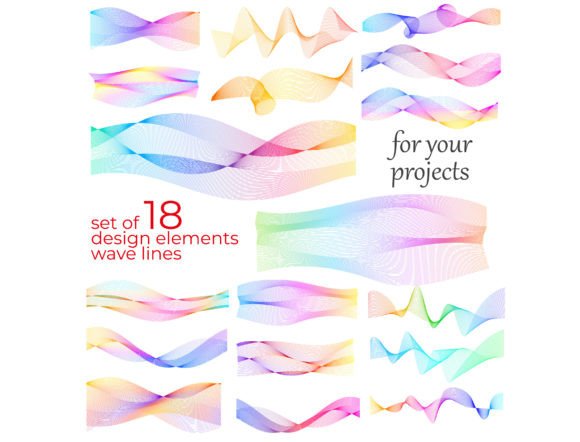
When you’re evaluating a set of beautiful wave lines design elements, there are a few things beyond the preview images that deserve your attention. These points come from countless late nights fixing files that should have worked out of the box.
Check File Formats and Editability
The inclusion of EPS files is a strong indicator that you’re working with vector-based, scalable graphics. This is non-negotiable for print work and large-format displays. Make sure the zip file also includes formats compatible with your primary software—many designers appreciate transparent PNGs for quick web use alongside editable AI or SVG files. The more flexible the package, the more mileage you’ll get across different types of design assets.
Understand Commercial Licensing
If you’re creating work for clients, products, or advertising, don’t skip the license terms. A premium font might come with clear desktop and web licenses, but decorative wave packs sometimes carry different restrictions. Confirm that the license covers commercial use, unlimited projects, and derivative works if you plan to modify the waves significantly and incorporate them into a logo design or brand identity system. Ambiguity here can cause headaches later.
Experiment Beyond the Obvious
I’ll admit that my first inclination was always to place a wave underneath something. But these elements are much more versatile. Try using a clipped wave pattern inside bold display font lettering for a masked text effect. Rotate a series of wave lines vertically to create a modern striped background. Combine a wave motif with a data visualization or infographic to soften the clinical feel of bar charts and graphs. The same wavy line that serves as a calm footer divider on a wellness blog can become a dynamic accent in a tech startup’s motion graphic intro.
Blending Waves with Typography and Identity
One of my favorite exercises when working with wave design elements is a deliberate font pairing session. I’ll set up the same headline in a neutral sans serif font, then layer it over different wave backgrounds and note how each combination changes the message. A wave with generous, rolling curves beneath a classic serif font reads as trustworthy and refined—perfect for a law firm’s rebrand that wants to seem more approachable. That same wave behind a modern script font can feel airy and celebratory, ideal for wedding invitation suites or holiday greeting templates.
This pairing approach works in reverse, too. If you’ve already locked in a display font for a campaign, you can audition wave styles until you find one that complements the typeface’s character without mimicking it. When the two elements harmonize, the overall composition feels intentional rather than decorated.
Keeping Your Work Fresh Without Chasing Fads
Wavy lines have been around in design for decades, yet they keep resurfacing in new forms because our emotional response to them is primal. We associate smooth waves with water, sound, breath, and movement. By using these beautiful wave lines design elements in thoughtful, context-aware ways, you can create work that feels contemporary without shouting a specific year. For marketers, publishers, and content creators who need to produce a high volume of materials without building everything from scratch, wave asset bundles offer a way to inject uniqueness and rhythm into templates, slides, and layouts without risking stylistic mismatch.
The key is to treat wavy lines not as filler but as a functional part of your composition. Use them to direct attention, to reinforce brand personality, and to break the monotony of blocky grids. When chosen carefully and applied with restraint, a simple wave line can do more for engagement and recall than any trendy filter or effect. And when the zip file lands in your downloads with clean EPS files ready to scale, that freedom to explore becomes instantly practical, not just inspirational.